Purity PromiseHardness comes from the compound, not from filler
If your part needs 70 Shore A, we buy 70 Shore A silicone. We do not buy a 50 and add filler to it until the durometer reads 70.

Read the policy as text
Our Purity Promise
All compound ingredients have their role.
The right base polymer, compounded correctly.
We buy silicone at the hardness your application needs. We do not add filler simply to raise hardness.
Performance, not cheap bulk.
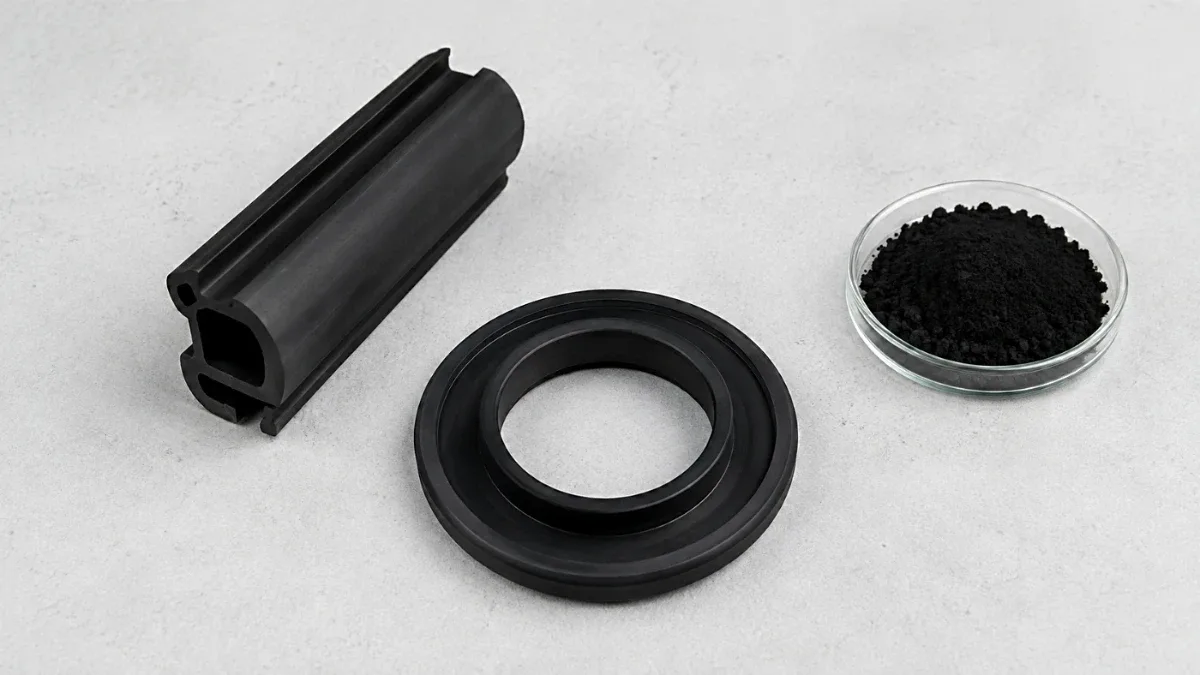
Carbon black reinforces our EPDM and nitrile. Mineral fillers are used only when the application requires them, never simply to cut cost.
Unfilled silicone. Our standard.
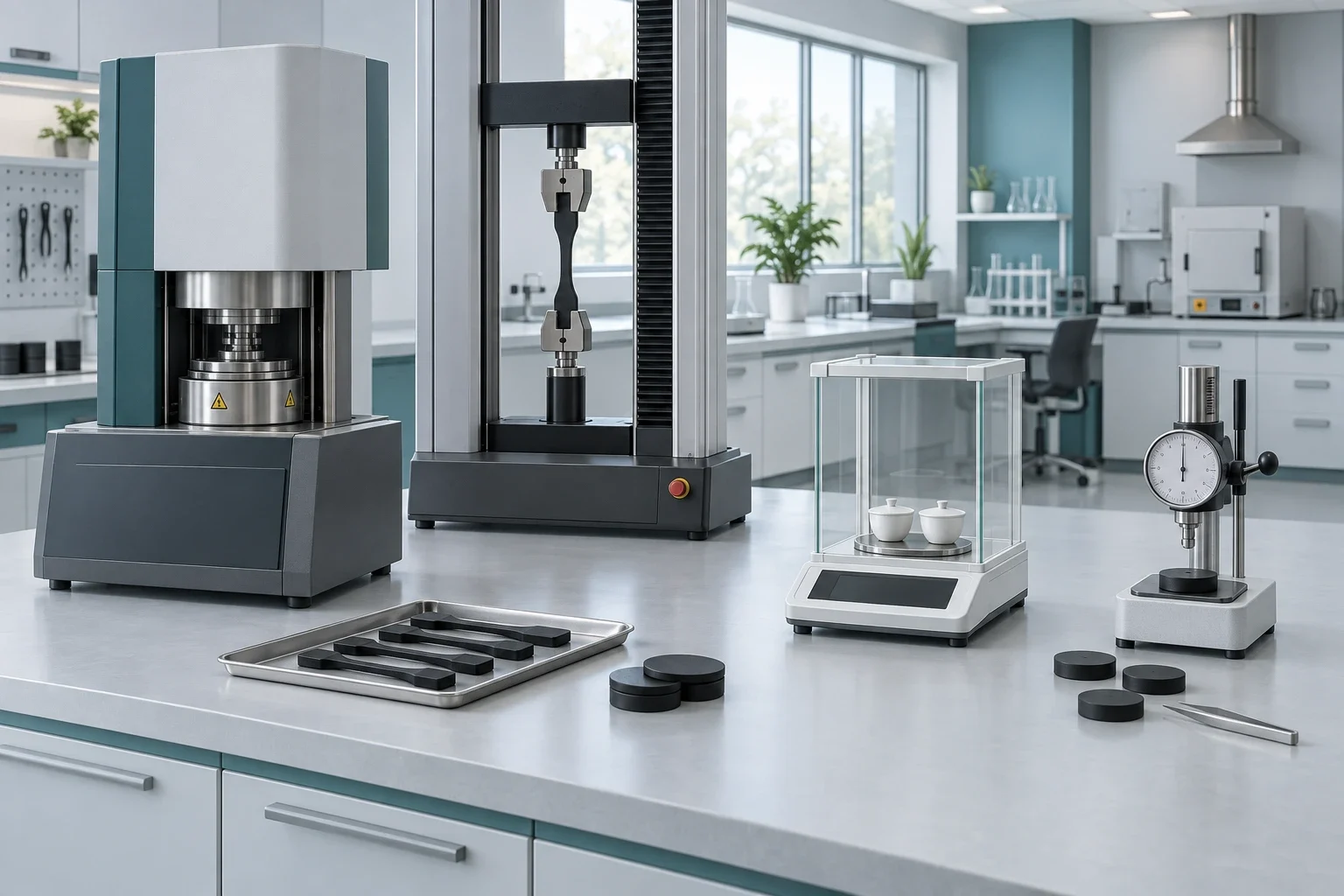
We make unfilled silicone and carry out ash-content testing in-house. Ask us for the result.
Only what your application needs.
The durometer will not tell you
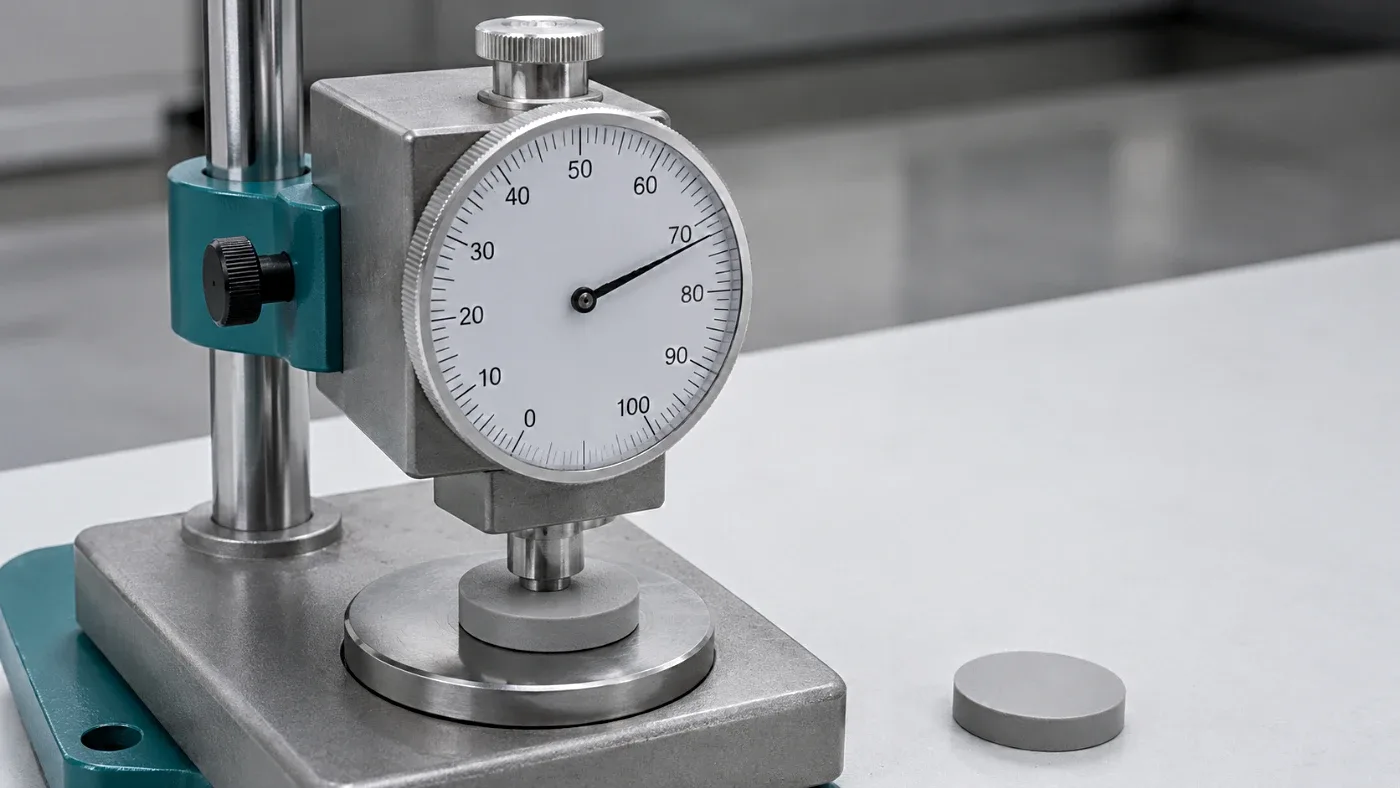
Silicone base comes in different hardnesses and we buy the one the job needs. If somebody wants 70 Shore A, we buy 70 Shore A. If somebody wants 30, we buy 30. We do not buy one hardness and turn it into another.
The cheaper way is to buy a softer base and add mineral filler until the hardness reads what the drawing says. It works, in the sense that the number is correct. But the filler has taken elongation, tear strength and compression set recovery with it. The part passes your incoming inspection, then goes hard in service and stays hard, by which time it is inside your product.
Rubber is sold by weight. You use it by length.
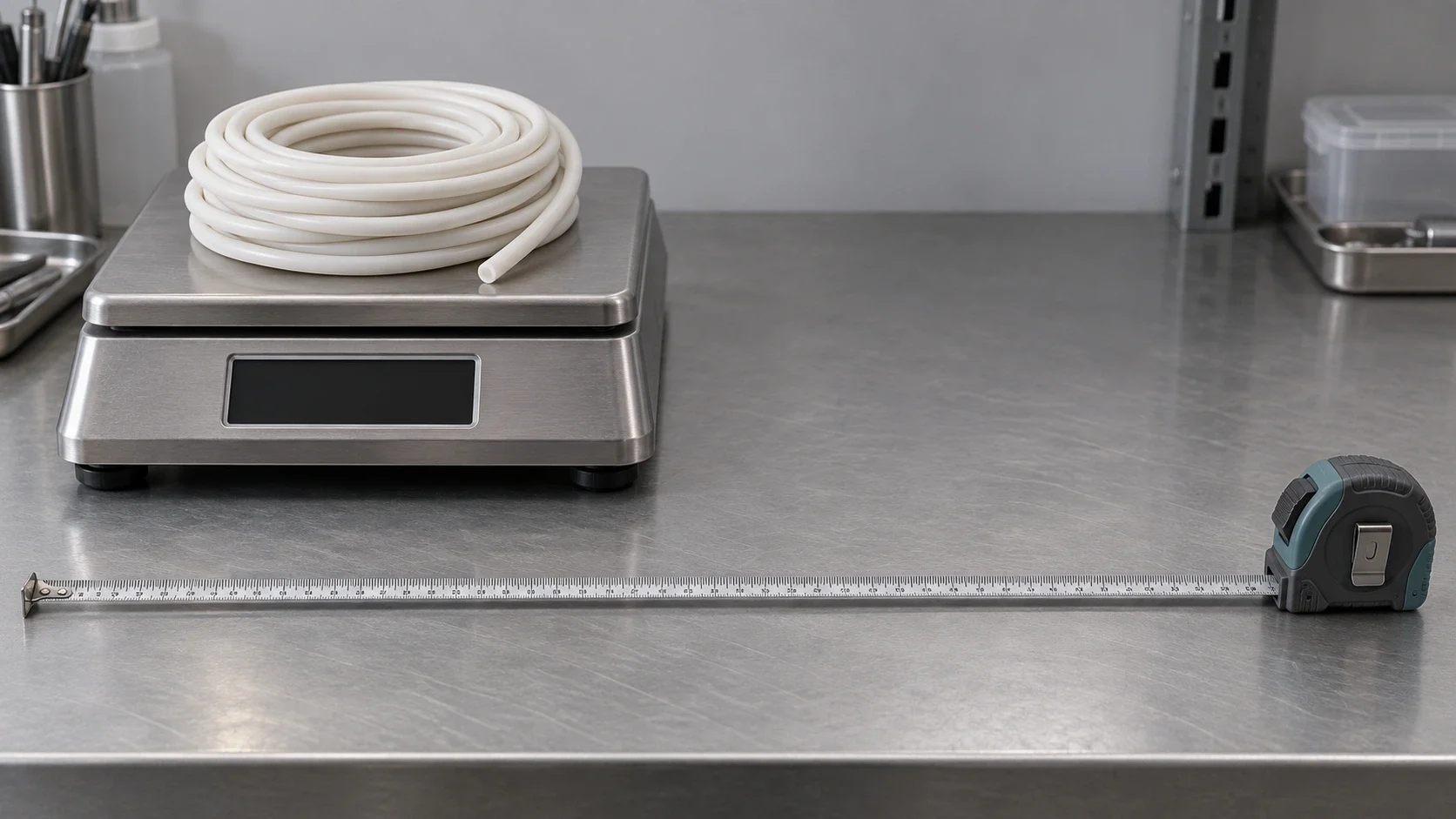
Don't buy by weight if you use it by length. The density of rubber varies greatly from compound to compound.
Filler is mineral, and mineral is heavier than the rubber it is replacing. So every kilogram of a filled compound has less rubber in it and more stone. It is denser, and you get fewer metres out of it and fewer pieces off the same mould.
Our silicone is light because we have not put anything in it to make it heavy. Same weight, more yield. This is why a cheaper price per kilogram is very often not a cheaper price per metre, and the filled part does not last as long on top of that.
And for extrusions we usually do not sell by the kilogram at all. We quote by the metre. So the density question is not yours to worry about. You know what a metre costs you before you order, and that is the number you need when you are costing the part.
Nothing has been added to bulk it out, so it weighs what silicone weighs. In a filled compound you are carrying mineral that does no sealing.
What you actually need is finished length, not weight. A lighter compound extrudes further, and that is where the price per kilogram and the price per part stop agreeing.
You are not paying for the extra yield in lost quality. Elongation, tear strength and compression set are all significantly superior as well.
Ask us for the number
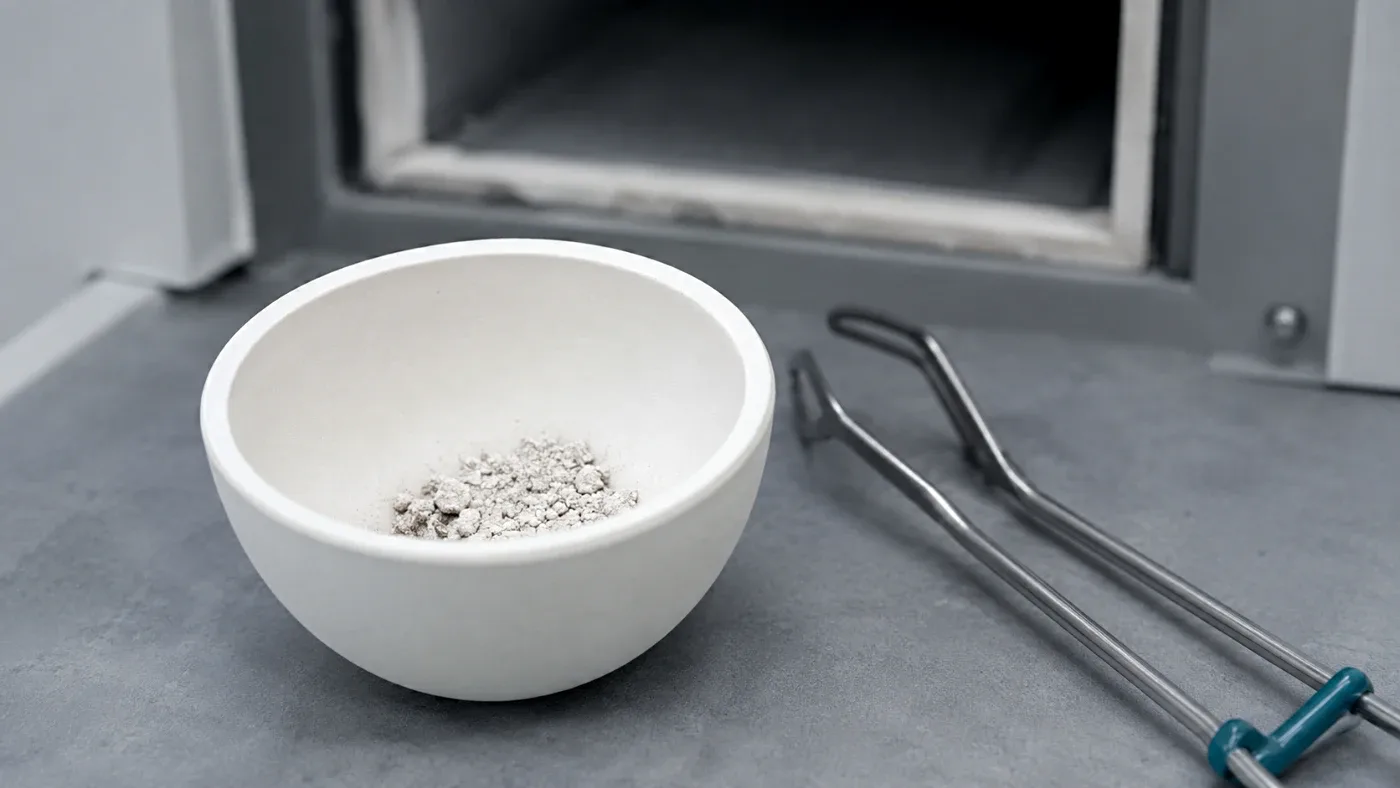
Ash content is what remains when the rubber is burnt off a cured sample. Each base polymer grade gives a known ash figure, and a higher result means extra filler has been added. We run the test in-house on request and will state the result on your order.
Compound is mixed here from over 1000 formulations, every batch goes on the rheometer before it runs, and finished parts are checked against IS, BS and ASTM methods. The whole sequence is on the manufacturing process page.
EPDM and nitrile need carbon black. They do not need chalk.
In EPDM and nitrile we do have to add carbon black. That is not filler in the cheapening sense: it gives those compounds their structural strength, and you cannot make them without it. Once you allow for density it can work out dearer per kilogram than the polymer it goes into, so nobody adds carbon black to save money.
What we still do not add, in EPDM or nitrile, is cheapening mineral filler. So those compounds also come out light and their properties stay much higher than a filled one’s. Unless something gives the compound a property it actually needs, we are not putting it in. The materials guide compares all six base polymers side by side.
Filler and hardness
No. We buy the silicone base at the hardness the job needs and do not add filler to change it. Reinforcing silica is in every silicone compound by design, because silicone has almost no strength without it. What we leave out is the extending mineral filler that only cheapens a compound or hardens a soft one.
Send us a part to quote
Send a drawing, a sample, or just tell us what the part has to survive. Ask for the ash content and we will state it.