Skip to content
From 30 Shore A · Dies in days

Silicone extrusion, down to 30 Shore A

Sealing profiles, tubing, cords and sponge, continuously vulcanised on our own line. Soft sections held to size where softer compounds normally slump.

Request a Quote Compare compounds
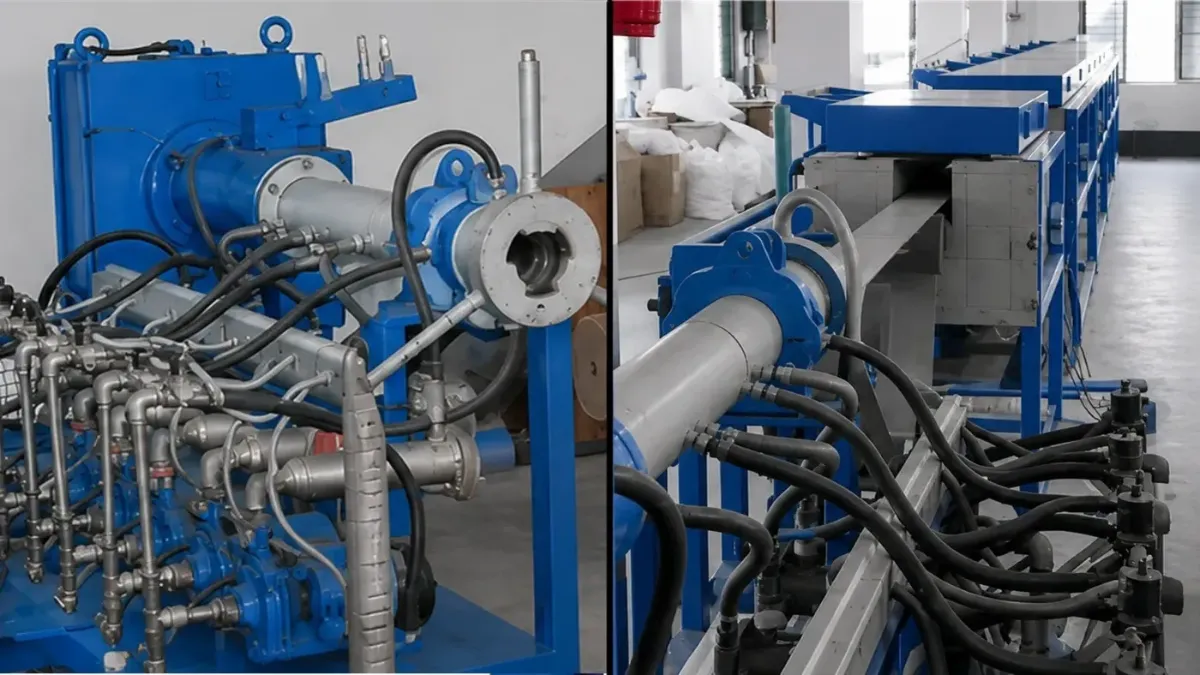
Continuous vulcanizing silicone extrusion and curing line at the Silton Rubber plant
The speciality

Why 30 Shore A is the hard part

At 30 Shore A the compound is highly elastic and wants to relax out of shape the moment it leaves the die. Hold it and you can seal a thin lid or a lightweight door that would never close against a standard 60 Shore A profile.

Getting there took the compounding, the die geometry and the vulcanization parameters to line up. It is now routine work here, used in LED luminaire seals, electronics enclosures and medical device housings where closure force is limited. In EPDM the equivalent floor is 40 Shore A.

What comes off the line

Extruded silicone sections

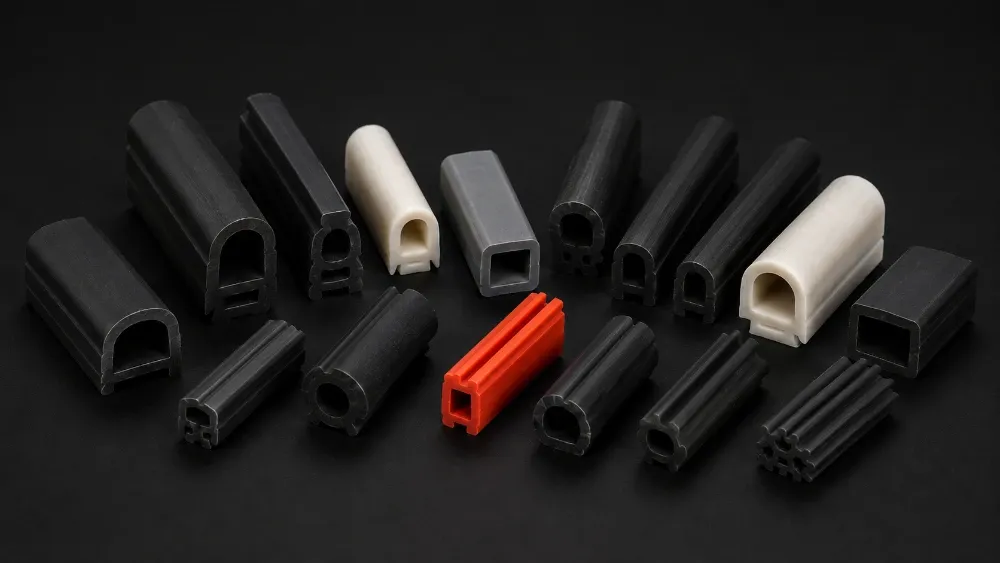
Extruded silicone and rubber profiles and channels in many sections

Profiles & channels

Thousands of dies on hand: U-channels, D-sections, A- and P-sections, glazing beads and edge trims. Every die runs in EPDM as readily as in silicone, on a dedicated line. New sections cut to your drawing.

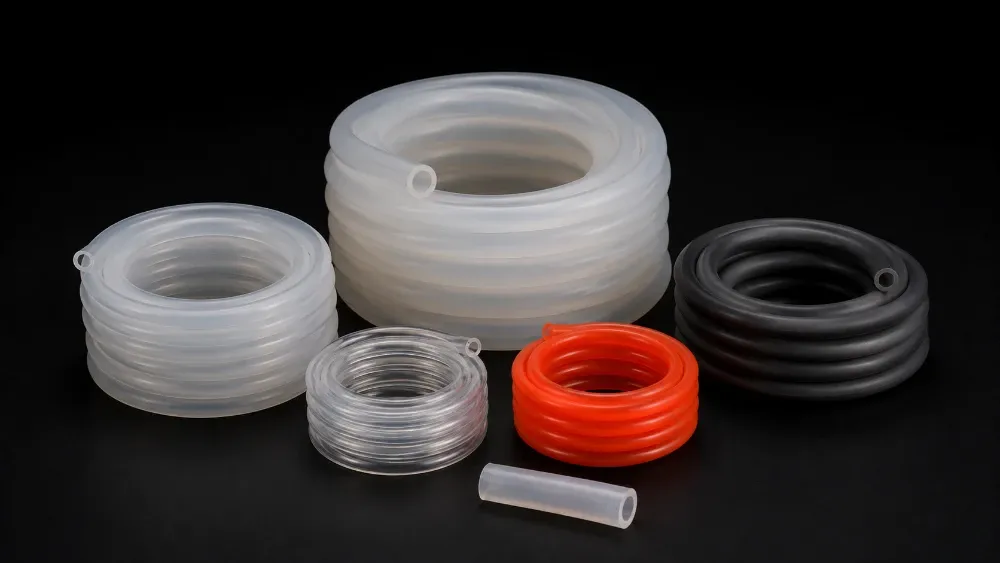
Extruded silicone tubing in several diameters

Silicone tubing

1 mm to 40 mm internal diameter for liquid transfer, gas lines and insulation sleeving, in plain and compliant grades.

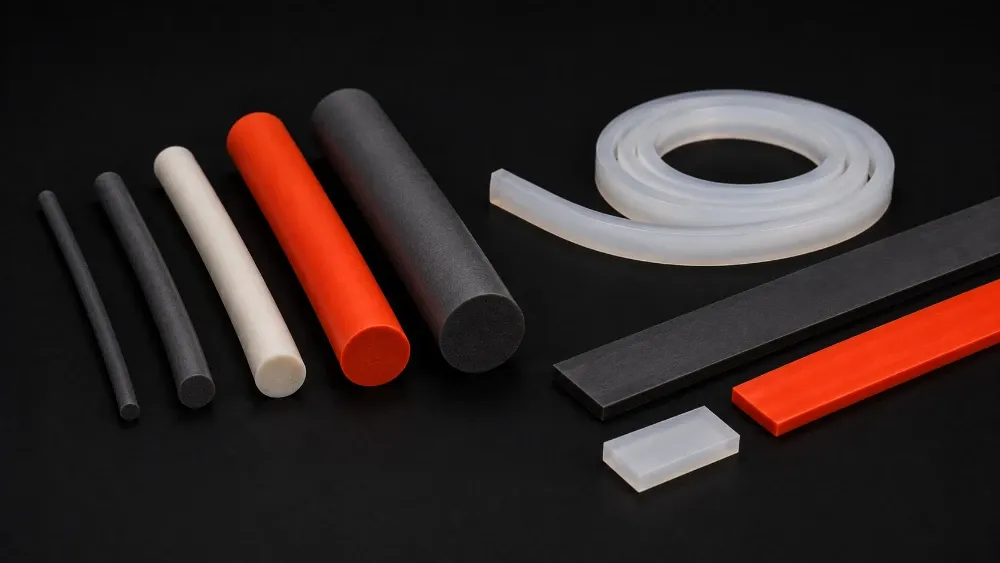
Extruded silicone cords and strips

Cords & strips

Solid cord 1 mm to 25 mm diameter, 45 to 90 Shore A, cut to length or joined into rings. VINSA is our silicone packing strip.

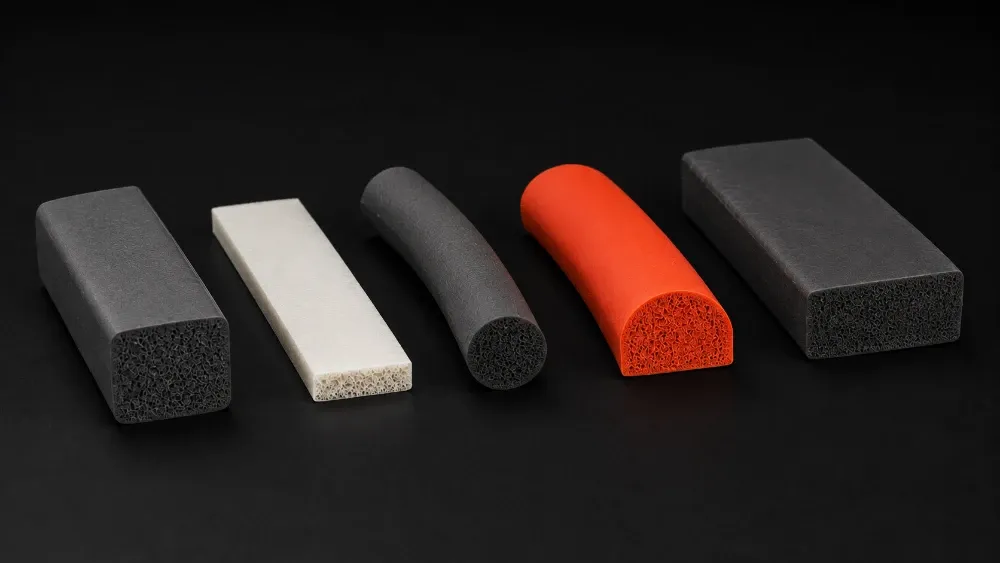
Silicone foam and EPDM sponge extruded sections

Foam & sponge

Closed-cell sponge profiles, cords and strips. Silicone sponge takes −60°C to +200°C and seals under the lightest closure force.

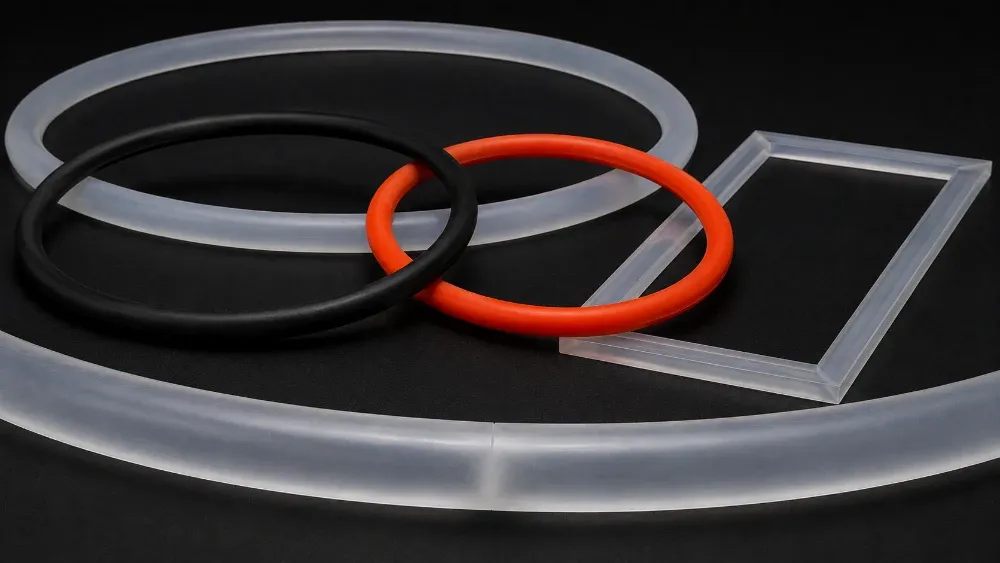
Joined endless silicone gaskets with vulcanised joints

Joined endless loops

Ends vulcanised together with no glue line and no step, at large perimeters. Mitred 45-degree corners for frame gaskets. See silicone gaskets.

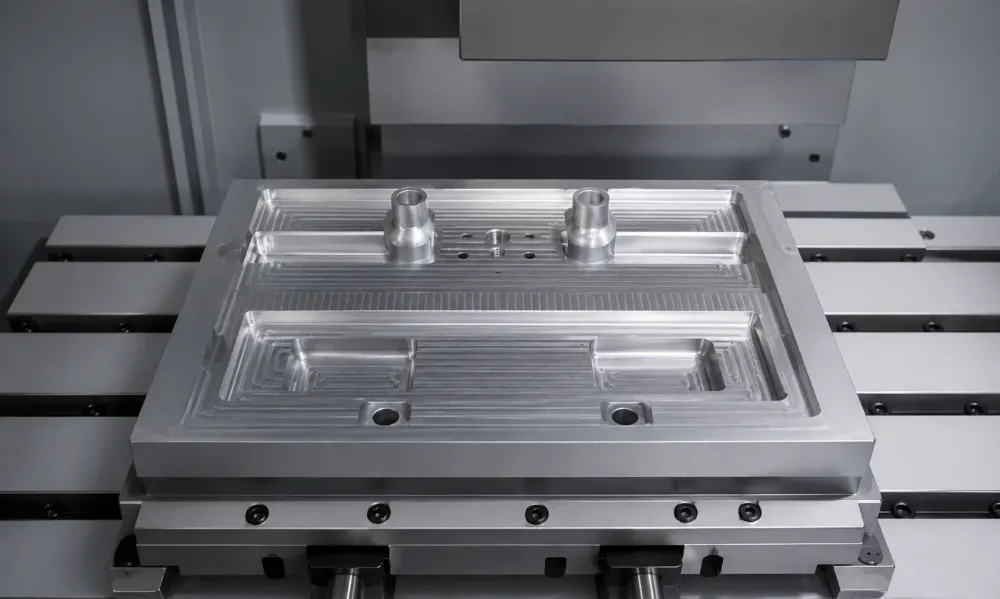
CNC machined extrusion die and mould tooling

Dies, cut here

Extrusion dies designed and cut in our CNC toolroom, in-house since 2012. New dies in days rather than weeks, which is what makes a one-off section worth quoting.

The line

Continuous vulcanizing, since 2005

Silton commissioned its first automated microwave continuous vulcanizing extrusion line in 2005. The Daspara premises could not house it, which is why the plant moved to Liluah, where it still runs.

Compound mixed in-house

Over 800 formulations, mixed in dispersion kneaders under controlled pressure and temperature. Conductive, flame-retardant and very low compression set variants included.

Every batch rheometer tested

No batch reaches the line untested. A moving die rheometer plots the cure curve; hardness, tensile strength and elongation are checked before production runs.

Inspected against standards

Extruded sections are checked dimensionally against IS, BS and ASTM methods before dispatch, with compliance documents travelling with the consignment.

The full sequence, from drawing to dispatch, is set out on the process page.

Have a question?

Silicone extrusion questions

Down to 30 Shore A. Extruding silicone at that hardness is technically demanding: the compound is highly elastic and difficult to hold dimensionally through the die. We have the compounding, die design and vulcanization parameters settled for it, which is why it is our speciality rather than a special order.

Days, not weeks. Dies are designed and cut in our own CNC toolroom, which has been in-house since 2012. Thousands of existing profiles are already on hand: U-channels, D-sections, A- and P-sections, glazing and edge trims.

1 mm to 40 mm internal diameter, in plain and compliant grades. Silicone is the main tubing line; EPDM and NBR tubing are made to order.

Yes. The cut ends are vulcanised together, so there is no glue line and no step at the joint, at large perimeters. Mitred 45-degree corner joints are available for rectangular frame gaskets that must hold their shape.

The line is a microwave continuous vulcanizing extrusion line, commissioned in 2005 and automated end to end. Every batch is rheometer tested before it runs, and extruded sections are inspected dimensionally against IS, BS and ASTM methods before dispatch.

Yes. Silton has supplied the Indian and United States markets since 2002, from a single prototype through to a million pieces.

Send us a section to quote

A drawing, a sketch on paper, or a sample of the profile you are replacing. We reply with a compound, a hardness, a price and a lead time.
Request a quote WhatsApp